
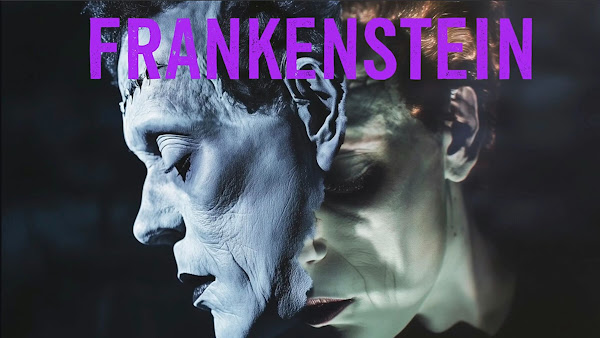

Direct Answer
Mary Shelley’s Frankenstein is more than a horror tale; it functions as a metaphor for how creators (parents, leaders) shape others and how early abandonment or neglect can produce protective “masks.” Those masks automate adult behavior until we deliberately choose an internal locus of control and rewrite our mental software.
Frankenstein as a Mirror for Parenting and Leadership
Mary Shelley’s story about Victor Frankenstein and his abandoned creature works as an extended parable: a creator makes life and walks away, and the created being is forced to survive without guidance, acceptance, or belonging. That dynamic maps cleanly onto parenting, team leadership, and any situation where someone’s wellbeing is entrusted to another.
How early belonging needs form protective masks
From about ages four to five, children learn that their choices produce reactions from caregivers and peers. Because young children depend on adults for safety and acceptance, they often develop an external locus of control—adopting rules, behaviors, and emotional habits to secure their place in the group.
To cope with perceived threats or rejection, many people build protective personas. Common examples include:
- The Pleaser: hides dissent to keep approval.
- The Stoic: suppresses feelings to appear strong or safe.
- The Performer: amplifies success to cover insecurity.
- The Rebel: pushes away connection to avoid vulnerability.
Maintaining several conflicting masks over time creates internal tension. When your outward identity diverges from what you truly feel, sustaining the disguise becomes emotionally costly and undermines authentic self-esteem.
For a philosophical grounding in agency and existential choice, see Existentialism and Human Freedom on Stanford Encyclopedia of Philosophy.
How Nurture, Neglect, and Culture Install Automatic Behaviors
No childhood is perfectly designed; childhood environments mix care, confusion, and limitation. When early gaps in nurture go unexamined, external influences move in to fill the void.
As the piece observes: “Marketing, consumerism, pop culture, and social movements quickly nudge their way in to fill the vulnerable gaps in our identity. If you don’t intentionally design your own architecture, the outside world will design it for you.”
Those unprocessed wounds become behavioral cascades—where an old insecurity silently activates a predictable adult response.
Example: someone whose early experience made them feel invisible may later acquire conspicuous goods to attract attention, yet simultaneously feel awkward when noticed. The want-for-visibility and the impulse-to-hide coexist because the original emotional software hasn’t been updated.
To explore narrative reinvention and myth-making in personal growth, read Jena Malone on The Flowering Wand and Rewriting Myths.
Switching from External Scripts to an Internal Locus of Control
You cannot change the facts of your childhood. However, persisting in blaming your past keeps you locked into a victim stance. True self-leadership comes from recognizing the mental programs you run and taking responsibility for editing them.
Practical steps include naming the masks you wear, tracing the childhood events that installed them, and practicing small decisions that reinforce an internal sense of authorship over your life.
When you move from an external locus of control to deliberate self-responsibility, those masks gradually lose their grip. You stop outsourcing your identity and begin designing your life with complete intention.
Practicing This Work in Community
Unpacking childhood programming is ongoing and benefits from conversation and accountability. Within the Syndicate X Library community, members examine these frameworks together, share practical exercises, and track progress.
If you want tools to monitor daily habits and record where you’re changing, consider the I AM LEADER Workbook for Leadership Mastery.
Frequently Asked Questions (FAQs)
Why is Frankenstein considered an analogy for parenting and leadership?
Frankenstein dramatizes what happens when someone creates or guides another life and then withdraws support. In real-world parenting and leadership, neglecting the culture, structure, or emotional needs of those you’ve brought into being usually produces dysfunction or harm—exactly the central moral the story highlights.
How do protective masks harm personal growth?
Masks are adaptive during vulnerability, but when they remain the default into adulthood they distort self-knowledge and consume emotional energy. Instead of directing resources toward learning and authentic achievement, people spend effort maintaining false personas—and that drains capacity for real growth.
What is a “behavioral cascade”?
A behavioral cascade is a chain reaction: an old, unexamined belief or feeling triggers an automatic adult behavior without conscious choice. Over time these cascades become habitual responses that feel “normal” even when they no longer serve you.
Where can I access the full video course on Frankenstein?
The complete video masterclasses, study guides, and community discussion boards are hosted inside the private Syndicate X Community Platform.
Drop the Mask and Take Inventory
We all carry fragments of the “monster”—parts formed by neglect, fear, or the pressure to belong. But adulthood brings the capacity to edit those parts rather than be driven by them.
Take a short inventory today: which personas still serve you, and which are relics you can retire? For a guided approach, claim your copy of the I AM Leader Bookset and consider joining the Syndicate X Library to practice redesigning your internal architecture.
Related reading on drakewire.com: The Autopilot Trap and How Self-Leadership Sets You Free; The Internal Locus of Control Every True Leader Must Have