

When fixed-ops leaders evaluate real-world ROI, habit changes that happen at the service counter matter more than one-off training events. This article looks at how structured, live coaching turns everyday behaviors—walkarounds, repair-order write-ups, and recommendation delivery—into repeatable routines that protect margins and reduce technician downtime.
Quick answer
Short answer: Yes. Regular live coaching—delivered weekly with immediate feedback—helps advisors build and maintain the small, repeatable habits that increase effective labor rates and shop productivity.
What this piece covers
- Why one-time seminars fail: they create temporary motivation but not daily practice.
- What weekly live coaching looks like: roleplay, morning debriefs, and testing techniques on the drive the same day.
- Concrete outcomes: standardized walkarounds, precise repair orders, fewer unauthorized discounts, and higher billable hours.
Key takeaways
- Continuous accountability: Weekly sessions keep behaviors active instead of returning to old habits within days.
- Repeatable walkaround: Advisors learn a short, consistent process to inspect vehicles with customers.
- Clear communication: Scripts and roleplay reduce price resistance and help advisors explain recommendations plainly.
- Cleaner shop flow: Detailed repair-order write-ups minimize diagnostic delays and keep technicians billable.
- Measurable financial impact: Sustained habits contribute to higher effective labor rates and improved service absorption.
Why single-event training rarely changes daily behaviors
Weekend workshops and one-off seminars can spark interest, but they do not give advisors the repeated practice and corrective feedback needed to rewire everyday actions. Dealerships often invest heavily in short-term events only to see staff revert to previous routines within a matter of days.
Protecting fixed-ops revenue matters: official financial data from NADA Data shows that service and parts contribute a significant share of dealership gross profit. That makes habit formation—not occasional inspiration—the most reliable defense of margin.
How live coaching compares to other formats
Below is a compact comparison of three common training formats and how they affect frequency of practice, immediate feedback, habit retention, and on-the-job performance.
| Format | Practice frequency | Real-time feedback | Habit retention | Performance impact |
|---|---|---|---|---|
| One-Time Seminars | Single weekend event | No follow-up after event | Often fades within 14 days | Short-lived spike; execution drops quickly |
| Passive Video Modules | Self-paced viewing | No live interaction | Varies by employee; low overall completion | Low engagement; inconsistent results |
| SDR Live Weekly Coaching | Every week | Immediate corrective feedback | Higher, sustainable retention | Consistent habit-building; improved labor margins |
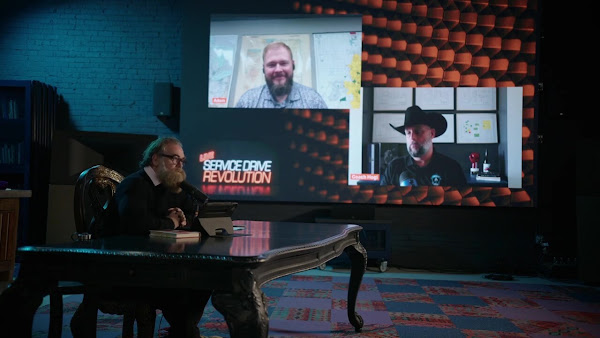
In regular live sessions, advisors bring real objections heard earlier that morning, roleplay revised scripts with coaches, and then test those approaches with customers that same day. For visual examples of roleplay and fixed-ops training, see the Chris Collins Inc YouTube Channel.
How live coaching creates a standardized walkaround
A repeatable walkaround turns a frequently skipped task into a reliable touchpoint. Through consistent coaching, advisors adopt a short sequence performed at every check-in that builds customer trust and opens the door for secondary recommendations.
- Joint inspection: Walk the vehicle with the customer, pointing out tire tread, battery condition, exterior wear, and obvious leaks before moving inside.
- Mileage and maintenance check: Compare current odometer readings to the manufacturer’s maintenance schedule while standing at the vehicle.
- Set expectations: Confirm estimated completion times and the customer’s preferred contact method before asking them to sign the initial RO.
When advisors repeat this loop, customers feel guided rather than pressured, making it easier to discuss additional services after the technician completes the multi-point inspection.
Why clearer repair orders reduce technician downtime
Repair orders that contain precise symptom descriptions and context let technicians begin diagnostics immediately. Vague entries force techs to chase clarifications and reduce billable hours.
Example comparisons:
- Vague: “Customer states noise in front.”
- Specific: “Squeak from the front left wheel when braking at 25 mph over bumps.”
Result: vague notes create lost diagnostic time and lower shop productivity; detailed notes provide instant focus and faster turnaround.
Modern vehicle diagnostics are increasingly complex—see employment and skill context from the U.S. Bureau of Labor Statistics. Coaching advisors to ask targeted questions at check-in produces repair orders that let technicians spend their day working, not waiting for approvals or clarification.
How habit-building protects effective labor rates
Habit-focused coaching trains advisors to present labor value confidently and avoid margin-eroding behaviors that often happen under pressure. Two common counterproductive patterns are:
- Panic discounting: Cutting labor prices at the first sign of customer hesitation instead of explaining technician expertise and diagnostic costs.
- Lumping labor and parts: Giving a single total without separating labor value, which makes pricing feel arbitrary to customers.
Weekly coaching reinforces the department’s labor matrix and teaches advisors how to communicate the value of factory-trained technicians and specialized shop tools so customers are less likely to demand unnecessary concessions.
Dealerships that want executive-level guidance and program schedules can review SDR Live Academy and the Signature Coaching Services pages for options tailored to store-wide goals.
Frequently Asked Questions
How quickly will advisors start to use new habits after beginning live coaching?
Most advisors display visible improvements within about three to four weeks of consistent weekly coaching. Substantial, measurable changes in department metrics usually stabilize around the 90-day mark if coaching continues.
How much time do advisors need to commit to weekly live coaching?
Typical sessions are structured as one-hour weekly blocks designed to fit into busy service schedules so they don’t interfere with drive work. The hour includes roleplay, feedback, and action items to try that same day.
Will live coaching help keep service advisors on the team longer?
Yes. Advisors who receive ongoing coaching report clearer processes, reduced daily stress, and improved sales outcomes, which together contribute to better retention and higher commission earnings over time.
For a complete fixed-ops training overview, including advisor playbooks and leadership tools, see the SDR Live Academy complete guide.
Bottom line
Live coaching moves training from occasional inspiration to steady, measurable habit change. Weekly practice with immediate feedback builds dependable routines—consistent walkarounds, focused repair orders, and confident price conversations—that protect effective labor rates and keep technicians productive. To begin shifting counter behaviors into lasting habits, consider enrolling your team in SDR Live Academy.
Related reading on drakewire.com: Why the Skilled Technician Shortage Is a Growing Crisis; How to Get a Bad Credit Car Loan in Washington State in 2026 (Without Overpaying).