
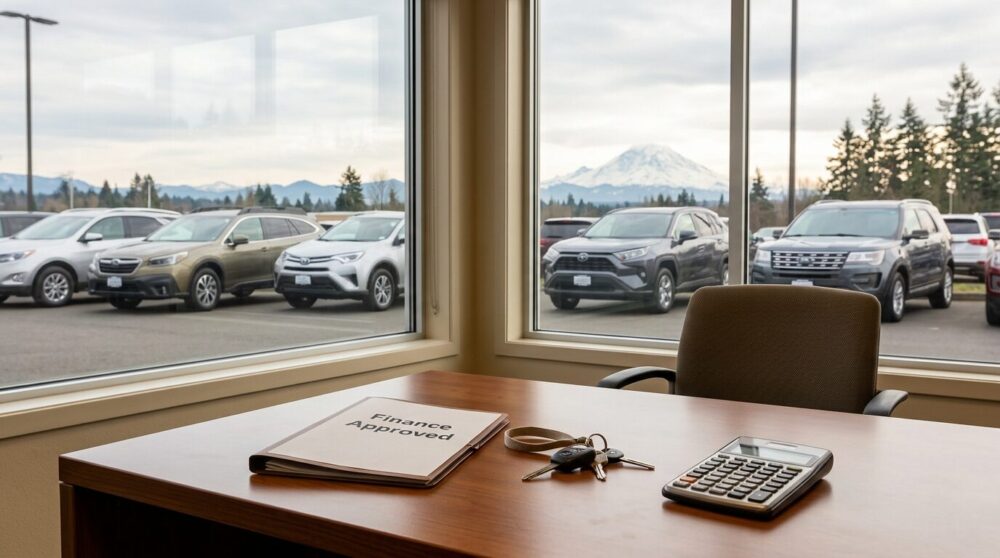

Bad Credit Auto Financing in Washington: A 2026 Guide
In much of Washington State, especially across the Pacific Northwest, having a dependable car is more than a convenience—it’s often a necessity. Commuting to work, taking kids to school, and navigating everyday errands can be difficult without your own vehicle. For many Washington drivers, however, a damaged or thin credit history can make the car-buying process feel like a dead end.
Credit scores can drop for many reasons: medical bills, job loss, or past financial missteps. Those challenges don’t remove the need for transportation. The encouraging news is that the 2026 auto finance landscape is more open to subprime borrowers than in years past. Many Washington dealerships and lenders have created specialized bad credit car loan programs aimed at helping you get into a vehicle while also rebuilding your financial profile.
This guide explains how bad credit car loans work in Washington, including how current interest rate limits intersect with down payments, loan approvals, and monthly budgeting. The goal is to help you secure transportation that fits your finances without putting your long‑term stability at risk.
Bad Credit and the Dealership Experience
Plenty of people who appear financially secure actually have credit issues, and that’s important to remember when you walk into a showroom. You should not feel embarrassed about discussing your credit challenges or asking detailed questions about financing options. Dealership teams routinely work with customers facing a wide range of circumstances and understand that a three‑digit score doesn’t capture your full story.
The approval process itself can feel stressful, especially when you are unsure what the lender will say. At Speck, sales managers dedicate significant effort to exploring multiple options for buyers with less‑than‑perfect credit. Their established relationships with local credit unions often open doors to financing solutions that may not be available at every dealership.
Your credit profile is only one piece of the picture. At Speck, the emphasis is on helping you drive away in a safe, reliable vehicle with payments structured around your current situation. The goal is to create an opportunity for you to rebuild your credit gradually through consistent, on‑time payments.
Why Vehicle Financing Matters for Washington Drivers
Across Washington, access to a personal vehicle can directly impact your ability to stay employed. This is especially true in regions such as the Yakima Valley and the Tri‑Cities, where public transportation options may not extend to every employer, job site, or shift schedule.
For residents dealing with credit challenges, choosing the right type of car loan is critical. A predatory loan—with excessive fees or unfair terms—can trap you in a cycle of debt that’s hard to escape. By contrast, a fair and well‑structured auto loan can become a tool for financial recovery, helping you rebuild credit while meeting your transportation needs.
Washington law offers important protections for consumers seeking vehicle financing. The Office of the Attorney General outlines key rights related to auto loans, including requirements that dealerships clearly disclose fees and charges in writing before you sign any agreement. As of 2026, the state has strengthened its focus on transparency in consumer finance, aiming to reduce misleading fees and guard against unfair lending practices.
Knowing your rights helps you recognize reasonable loan terms and avoid unnecessary financial strain. Partnering with a trustworthy local dealership can also make it easier to find a vehicle suited to Washington’s snowy winters and rainy springs without agreeing to conditions that undermine your long‑term financial health.
Top Financing Paths for Bad Credit Buyers
Dealership‑Based Subprime Financing
Many full‑service dealerships now operate dedicated “Special Finance” departments designed for customers with poor or limited credit. Instead of relying solely on traditional banks, these teams work with a network of lenders that focus specifically on bad credit car loans.
The main advantage is a streamlined, one‑stop experience: the dealership collects your information and then shops multiple lenders on your behalf. This often leads to more flexible structures—such as adjusted terms or down payment options—than you might receive from a single big‑box bank that has rigid underwriting rules.
Certified Pre‑Owned Vehicles
When your credit is challenged, the reliability of the vehicle becomes even more crucial. A major mechanical failure can disrupt your job and budget, especially when funds are already tight. For this reason, many buyers find that focusing on certified pre‑owned (CPO) inventory is a smart move.
CPO vehicles are used cars that have been thoroughly inspected and reconditioned according to manufacturer or dealership standards. They typically include extended warranties, offering a level of peace of mind similar to buying new, but at a more accessible price point. Alongside that warranty, it’s wise to consider an extended service contract from the dealership. Once the original warranty expires, this type of coverage can roll repair costs into your monthly payments, reducing the risk of unexpected out‑of‑pocket bills.
Related: Buying New vs Used: What Washington Drivers Should Know
Credit Unions vs. National Banks
Washington boasts a strong network of credit unions, which often provide more personalized lending decisions than large national banks. Early 2026 data indicates that subprime borrowers are increasingly securing financing through local lenders that take a broader look at factors such as stable employment and residency, instead of focusing exclusively on credit scores.
Before applying, you can research average auto loan rates by credit score to see how your situation compares to national 2026 averages. This helps you anticipate realistic APR ranges, set expectations properly, and avoid offers that are far outside typical market conditions.
Structuring a Loan That Actually Fits Your Life
Focus on Total Monthly Cost, Not Just Price
For buyers with credit concerns, the sticker price of the car is only one part of the equation. The more important figure is the total monthly cost of ownership, which includes:
- Your loan payment
- Auto insurance premiums
- Fuel and routine maintenance
One way to reduce that monthly cost is to trade in your current vehicle. By getting an online trade‑in appraisal, you can estimate how much equity you have. That value can serve as a substantial down payment, lowering the amount you need to finance and, in turn, your monthly obligation.
Using the Down Payment to Your Advantage
In the 2026 auto market, your down payment is one of the strongest levers you have to improve the chances of approval. It signals to the lender that you have real financial commitment to the vehicle and are less likely to let it go to repossession.
For subprime borrowers, most lenders will expect at least $1,000 down or around 10% of the vehicle’s price. If you can increase that to 20%, you substantially reduce the lender’s risk. In many cases, that larger down payment leads to a lower interest rate and shorter loan term—two factors that can save you thousands of dollars in interest over the life of the loan.
Must‑Have Features for Washington Roads
No matter what your credit score looks like, Washington drivers should prioritize features that perform well in local terrain and weather. All‑wheel drive (AWD) is particularly valued in the Pacific Northwest, helping with traction in snow, rain, and on varied road surfaces. AWD also tends to support stronger resale values when you eventually trade or sell the vehicle.
You can consult the Experian State of the Automotive Finance Market for current data on how subprime buyers nationwide are structuring their auto loans. That information can help you benchmark down payments, terms, and APRs against broader trends in the economy.
Common Mistakes When Shopping with Bad Credit
One of the most common missteps is failing to review your credit report for errors before visiting a dealership. Even a seemingly small error—such as a wrongly reported late payment—can push you into a higher interest rate tier and cost you money over time.
Always confirm whether the lender reports your payment history to all three major credit bureaus. For borrowers rebuilding credit, the main benefit of a car loan is demonstrating responsible repayment. If your on‑time payments aren’t being reported, your credit score may not improve, even though you are doing the right things.
Before signing any contract, take time to review the “Truth in Lending” disclosures line by line. These documents explain the total cost of the loan, including fees, the APR, and payment schedule. In Washington, once you sign a vehicle purchase and finance contract, there is generally no “three‑day right of cancellation.” That means you should be completely certain about the terms before putting your name on the agreement.
Frequently Asked Questions About Bad Credit Car Loans in Washington
Q: Can I get a car loan in Washington if I have a recent bankruptcy?
A: Yes. Many “Fresh Start” programs across Washington specifically serve borrowers who have completed (discharged) bankruptcies. You will usually need to show proof of stable income and may be asked to provide a higher down payment, but many drivers successfully secure dependable transportation shortly after their bankruptcy filing is finalized.
Q: What documents do I need for a bad credit car loan approval?
A: In addition to a valid driver’s license, you should bring recent pay stubs covering approximately the last 30 days, a utility bill or similar document to verify Washington residency, and a list of personal references. Having proof of insurance ready is also important. Collecting these items in advance can significantly speed up the approval process.
Q: Will applying for a car loan hurt my credit score further?
A: Any auto loan application creates a “hard inquiry” on your credit report. However, most major scoring models treat multiple auto finance inquiries made within a 14‑to‑45‑day window as a single event. This allows you to shop for the best rate and terms without creating multiple separate hits to your credit score.
Taking the Next Step
If you’re ready to explore options for your next vehicle—even with past credit problems—visit Speck Dealerships in Washington or browse their online inventory. With the right information, a fair lender, and a structure that fits your budget, a bad credit car loan can be a practical step toward both reliable transportation and long‑term financial recovery.