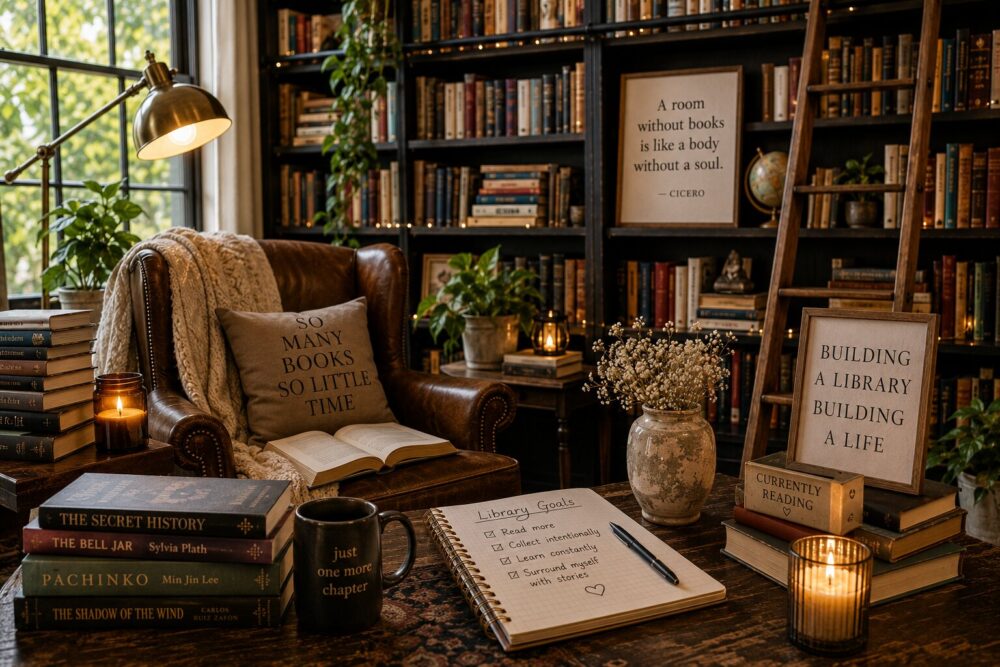

At a time when millions of books can be accessed instantly through phones, tablets, and e-readers, an unexpected trend is gaining momentum: the rise of personal home libraries.
Across generations, readers are investing in bookshelves, dedicated reading spaces, and carefully curated book collections. What was once seen as a luxury reserved for avid collectors is increasingly becoming a lifestyle goal for everyday readers.
The appeal goes beyond simple storage. Personal home libraries represent identity, comfort, creativity, and a growing desire to create meaningful offline spaces. In an increasingly digital world, many people are rediscovering the value of surrounding themselves with physical books.
As a result, home libraries are becoming one of the most recognizable symbols of modern reading culture.
Why Are More Readers Building Personal Home Libraries?
The growth of digital content has made information easier to access than ever before. Ironically, that convenience is one reason many readers are returning to physical books.
Digital content often feels temporary. Bookshelves, on the other hand, create a lasting visual representation of personal interests, experiences, and knowledge.
For many readers, building a home library is not simply about owning books. It is about creating a physical space that reflects who they are and what they value.
This emotional connection helps explain why home libraries continue attracting new enthusiasts.
What Makes Physical Books So Appealing?
Physical books offer experiences that digital formats cannot fully replicate.
Readers often appreciate the feel of a book, the design of a cover, the ability to annotate pages, and the visual satisfaction of seeing a collection grow over time.
A book can also become associated with a specific period of life, making it more meaningful than a digital file stored on a device.
Organizations such as the Library of Congress have long emphasized the cultural and historical importance of preserving physical books and written materials, highlighting their enduring value beyond simple information storage.
For many readers, owning books creates a stronger sense of connection to the reading experience itself.
Why Are Books Becoming Part of Home Design?
Books have become important design elements in modern interiors.
Bookshelves add warmth, texture, and personality to living spaces. Whether displayed on floor-to-ceiling shelves or arranged in small reading corners, books help create environments that feel thoughtful and inviting.
Interior designers increasingly incorporate books into residential spaces because they make homes feel lived-in and personal.
The popularity of literary chic lifestyle trends and reading-inspired home décor has further strengthened this connection between books and interior design.
As a result, home libraries now function as both practical collections and aesthetic features.
How Does a Home Library Reflect Personal Identity?
Books communicate interests, values, and experiences in a highly visible way.
A personal library often reveals more about an individual than many decorative items ever could.
Many readers intentionally collect books that shape personal growth and leadership, viewing their shelves as reflections of the ideas that have influenced their lives.
Visitors naturally notice bookshelves and frequently use them as conversation starters. Favorite novels, nonfiction works, biographies, and special collections can offer insight into someone’s personality and passions.
This is one reason books continue serving as cultural symbols beyond their role as reading material.
A home library becomes a curated representation of personal identity.
Why Is Book Collecting Becoming More Popular?
Many readers enjoy the process of collecting books as much as reading them.
Book collecting can involve first editions, special editions, signed copies, favorite authors, or simply books that hold personal significance.
The hobby appeals to people who enjoy discovering, preserving, and organizing meaningful objects.
Unlike many digital purchases, physical books occupy space and remain visible over time. This visibility creates a sense of ownership and accomplishment that some readers find rewarding.
The growth of reading communities has also encouraged more people to share and celebrate their collections.
Are Home Libraries Connected to Digital Fatigue?
In many cases, yes.
People spend large portions of their day interacting with screens for work, communication, entertainment, and information.
As a result, there is growing interest in activities that provide relief from constant digital engagement.
Reading physical books offers a slower and more focused experience. A home library reinforces this by creating a dedicated environment for offline leisure.
Many readers view these spaces as intentional retreats where they can disconnect from notifications and distractions.
This desire for balance is helping drive renewed interest in physical reading environments.
Why Are Younger Generations Embracing Home Libraries?
Millennials and Gen Z are playing a significant role in the revival of personal libraries.
While younger readers are highly comfortable with technology, many are also seeking hobbies that feel tangible and meaningful.
Books fit naturally within this broader movement toward intentional living, creativity, and self-development.
Social media has contributed to the trend by showcasing reading spaces, book collections, and library tours that inspire others to create similar environments.
The popularity of analog hobbies and books reflects a growing appreciation for experiences that exist outside purely digital spaces.
What Role Does Reading Culture Play?
Modern reading culture extends far beyond the act of reading.
Book clubs, online communities, reading journals, literary fashion, and social book discussions have transformed books into lifestyle symbols.
Interest in historic libraries and reading spaces has also grown as readers seek immersive environments that celebrate literary culture.
Home libraries function as physical centers for these interests.
They provide spaces where readers can display favorite titles, track personal growth, and celebrate their connection to literature.
As reading becomes increasingly social, personal libraries help readers express their participation in that culture.
Can Digital and Physical Reading Coexist?
Absolutely.
Most readers today use a combination of formats depending on convenience and preference.
E-books and audiobooks offer flexibility, while physical books provide ownership, display value, and sensory experiences.
Rather than replacing one another, these formats often complement each other.
Many readers enjoy the convenience of digital reading while still investing in physical collections that hold personal significance.
The continued growth of home libraries demonstrates that digital convenience has not diminished the appeal of owning books.
What Does the Rise of Home Libraries Reveal About Modern Life?
The popularity of personal home libraries suggests that people are seeking permanence in a rapidly changing world.
Books offer continuity. They remain accessible without subscriptions, batteries, or software updates.
A home library creates a sense of stability and personal history that many people find increasingly valuable.
In an age of endless digital content, a carefully curated bookshelf represents intentional choices and lasting interests.
That combination helps explain why home libraries continue attracting readers across generations.
Frequently Asked Questions
What is a personal home library?
A personal home library is a collection of books organized within a home, often accompanied by a dedicated reading space or bookshelf system.
Why are home libraries becoming popular again?
Many readers value the emotional, aesthetic, and practical benefits of owning physical books and creating offline reading environments.
Do home libraries require a large room?
No. A home library can range from a single bookshelf to an entire room dedicated to books and reading.
Why do people collect books they may not read immediately?
Book collecting often reflects personal interests, future reading goals, and the enjoyment of building a meaningful collection over time.
Are younger generations interested in physical books?
Yes. Many younger readers are embracing physical books as part of broader interests in intentional living, creativity, and offline experiences.
Can home libraries work alongside digital reading?
Absolutely. Many readers use e-books and audiobooks while also maintaining physical collections for enjoyment and display.
Conclusion
The resurgence of personal home libraries demonstrates that books remain deeply meaningful in the digital age. Beyond their practical purpose, books provide identity, comfort, inspiration, and a lasting connection to ideas that matter.
As readers continue seeking more intentional and personalized living spaces, home libraries are evolving into much more than storage solutions. They are becoming cultural statements, creative sanctuaries, and enduring symbols of a life shaped by reading.